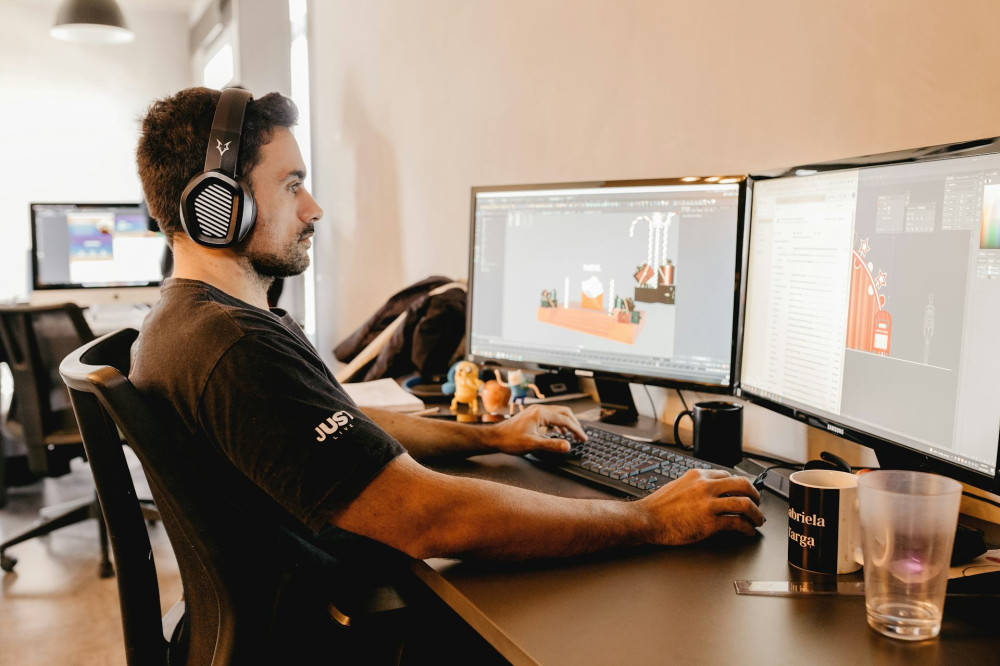
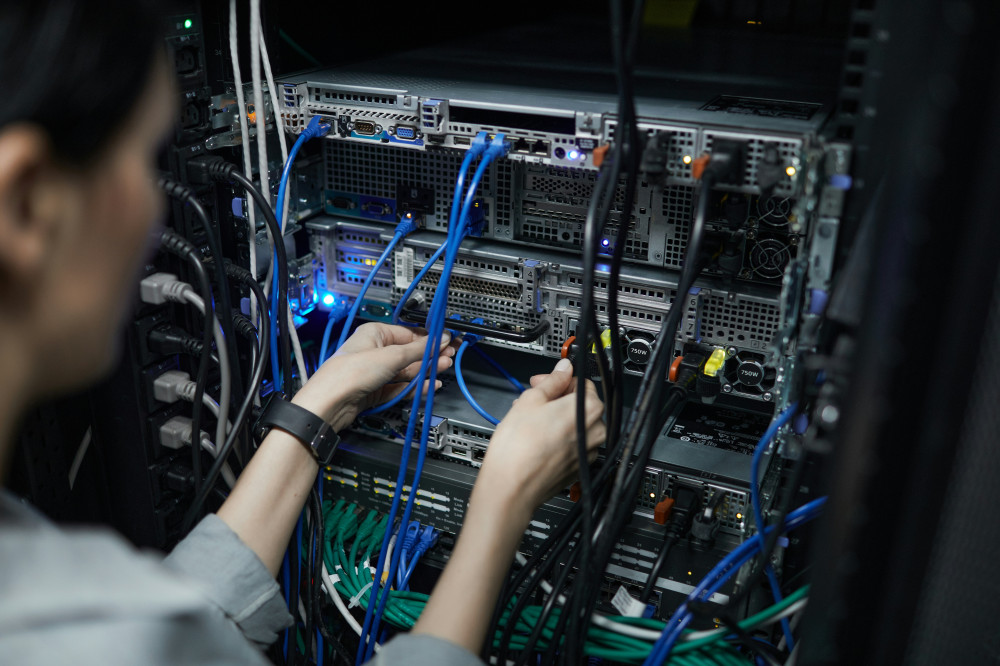
6 mistakes to avoid in your IT career: advice for success
Gain insight into which traps many IT professionals fall into and how you can avoid them. This e-book offers tips for career development, networking and skill building so you can advance your career in the IT industry.
Open e-book

Shared Family Electronics: How to Build Good Habits and Reduce Conflicts


Build harmony at home by setting smart rules for shared screens
Electronics
Electronics
2 min
When the whole family uses the same devices, small disagreements can quickly turn into daily frustration. Learn how to create clear routines, teach digital responsibility, and make technology a positive part of family life.
Landon Wilson
Landon
Wilson

Shared Family Electronics: How to Build Good Habits and Reduce Conflicts

Build harmony at home by setting smart rules for shared screens
Electronics
Electronics
2 min
When the whole family uses the same devices, small disagreements can quickly turn into daily frustration. Learn how to create clear routines, teach digital responsibility, and make technology a positive part of family life.
Landon Wilson
Landon
Wilson

Tablets, games consoles, televisions and smartphones – in most British homes, technology is part of everyday life. But when several family members share the same devices, disagreements can easily arise about time, use and responsibility. Who gets to play first? Who tidies up after movie night? And how do you stop screens from taking over? Here’s how your family can build healthy habits around shared electronics – and keep the peace at home.

Talk Openly About Expectations

The first step towards fewer conflicts is to talk about how each person uses the family’s electronics. Many arguments start because expectations aren’t clear. Sit down together and discuss questions such as:

  • When and for how long can shared devices be used?
  • Should there be “screen-free” times, such as during meals or after 9 p.m.?
  • Who is responsible for switching off, charging and tidying up?

When everyone – children and adults alike – has a say, it’s easier to find solutions that feel fair. The goal isn’t to make rules for the sake of it, but to create a shared understanding.

Make Clear Agreements – and Write Them Down

It can help to create a simple “family tech agreement”. You could stick it on the fridge or keep it in a shared folder. The agreement might include:

  • Time limits for using the TV, tablet or console.
  • Priority rules – who gets first turn if several people want the same device?
  • Maintenance – who keeps things charged, updated and clean?
  • Consequences – what happens if the rules aren’t followed?

When the agreements are visible, they’re easier to remember – and arguments become less frequent.

Balance Shared and Individual Use

Shared electronics can bring families together, but they can also cause frustration if everyone wants to use them at once. Think about how to balance shared and individual use.

  • Plan family activities that use technology together – a film night, a quiz or a co‑op game.
  • Make sure everyone also has screen‑free time for reading, playing or going outdoors.
  • If possible, have different devices for different purposes – for example, one tablet for schoolwork and another for entertainment.

When technology is used consciously and fairly, it becomes a resource rather than a source of conflict.

Teach Children Digital Responsibility

Children learn most from what they see. If parents use technology thoughtfully, children are more likely to do the same. Show them how to:

  • Turn off screens when finished.
  • Ask before borrowing someone else’s device.
  • Be considerate – for example, by keeping the volume down or not recording others without permission.
  • Think carefully about what they share and watch online.

It’s also worth discussing advertising, in‑app purchases and social media. The earlier children learn to navigate the digital world, the more confident and safe they’ll be.

Create Screen‑Free Zones and Breaks

Even the best technology can become too much if it dominates the day. Screen‑free zones and breaks help the family find calm and connection.

  • Make the dining table a screen‑free zone where you can talk without distractions.
  • Agree on screen‑free periods, such as an hour before bedtime or one day at the weekend.
  • Use technology mindfully – for instance, set a timer to remind everyone to take a break.

When screens have clear boundaries, it’s easier to enjoy both time with and without them.

Make It a Shared Project

Building good habits around technology isn’t a one‑off task – it’s an ongoing process. Needs and interests change, and so does technology. Have regular “check‑ins” to talk about what’s working and what might need adjusting. Maybe game time needs tweaking, or perhaps a new device has joined the household.

When the whole family helps shape the rules, it’s easier to stick to them – and conflicts are less likely to flare up.

Technology as a Shared Joy – Not a Battleground

Electronics don’t have to be a source of tension. With clear agreements, mutual respect and a mindful approach, they can become a way to connect and share experiences. It’s all about using technology in a way that strengthens family life rather than dividing it. When you take charge together, your family’s devices can be tools for learning, fun and togetherness.

Small Changes, Big Difference: How to Make Your Electronics More Eco‑Friendly
Simple habits that help you save energy, money, and the planet
Electronics
Electronics
Sustainability
Eco-Friendly
Electronics
Energy Saving
Green Living
6 min
Discover how small adjustments in how you buy, use, and recycle your electronics can make a big environmental impact. Learn practical tips for extending product life, reducing energy consumption, and making smarter, greener tech choices.
Eli Wright
Eli
Wright
From Mouse and Keyboard to Advanced Devices – The Evolution of Computer Accessories
Discover how everyday computer accessories have transformed from simple tools into smart, stylish, and essential companions.
Electronics
Electronics
Computer Accessories
Technology
Innovation
Design
User Experience
3 min
From the early days of bulky keyboards and wired mice to today’s sleek, wireless, and intelligent devices, computer accessories have come a long way. Explore the milestones that shaped their evolution and see how design, technology, and user experience have redefined the way we interact with our computers.
Amelia Long
Amelia
Long
Shared Family Electronics: How to Build Good Habits and Reduce Conflicts
Build harmony at home by setting smart rules for shared screens
Electronics
Electronics
Family Life
Digital Habits
Parenting
Technology
Home Harmony
2 min
When the whole family uses the same devices, small disagreements can quickly turn into daily frustration. Learn how to create clear routines, teach digital responsibility, and make technology a positive part of family life.
Landon Wilson
Landon
Wilson
VR, AR and MR Explained: What Sets the Technologies Apart – and How Do They Work?
Discover how Virtual, Augmented and Mixed Reality are transforming the way we see and interact with the world
Electronics
Electronics
Virtual Reality
Augmented Reality
Mixed Reality
Immersive Technology
Innovation
3 min
Virtual Reality, Augmented Reality and Mixed Reality each offer unique ways to merge the digital and physical worlds. Learn what sets these immersive technologies apart, how they work, and where they’re making an impact across industries today.
Olivia Carter
Olivia
Carter
Tablets in the Service of Learning: From Early Childhood Education to Adult Education
How tablets are reshaping learning experiences from preschool to lifelong education
Electronics
Electronics
Digital Learning
Education Technology
Tablets
Lifelong Learning
Teaching Innovation
3 min
Discover how tablets have evolved from entertainment gadgets to essential learning tools across all stages of education. This article explores their role in early childhood, schools, universities, and adult learning, highlighting both the opportunities and challenges of digital learning.
Dexter Davies
Dexter
Davies
Use Data to Understand Yourself: Measure, Learn and Improve Your Habits with Insight
Discover how personal data can help you build better habits and make meaningful changes in your daily life
Tech
Tech
Self-Improvement
Data Insights
Personal Development
Habits
Well-Being
3 min
Learn how to turn the information you already generate into valuable insights about your routines, goals, and well-being. This article shows how to use data as a simple, empowering tool for self-understanding and personal growth.
Eli Wright
Eli
Wright
Online Privacy: How to Protect Your Data Without Compromising on Convenience
Keep your personal information safe while enjoying the ease of digital life
Tech
Tech
Online Privacy
Cybersecurity
Digital Safety
Data Protection
Internet Tips
5 min
Learn how to protect your online privacy without sacrificing convenience. This article offers practical tips for managing your data, creating strong passwords, and building secure habits that fit seamlessly into your everyday routine.
Amelia Long
Amelia
Long
Cybersecurity Requires Collaboration – When Public and Private Sectors Strengthen Their Efforts Together
Stronger digital defences emerge when governments and businesses unite against cyber threats
Tech
Tech
Cybersecurity
Public-Private Partnership
Digital Infrastructure
Data Protection
Cyber Awareness
7 min
As cyberattacks grow more sophisticated, collaboration between the public and private sectors becomes essential to protect national infrastructure, business continuity, and public trust. This article explores how joint initiatives, shared knowledge, and education can build a safer digital future.
Landon Wilson
Landon
Wilson