From Mouse and Keyboard to Advanced Devices – The Evolution of Computer Accessories

From Mouse and Keyboard to Advanced Devices – The Evolution of Computer Accessories
From the first clunky keyboards and ball mice to today’s sleek, wireless, and intelligent devices, computer accessories have undergone a remarkable transformation. What once served as simple tools for operating a machine are now integral parts of our digital lives – designed for comfort, precision, and personal expression. This article explores how computer accessories have evolved from basic instruments to advanced technological companions.
The Early Days – Function Over Form
In the 1970s and 80s, computer accessories were built with one goal in mind: functionality. Keyboards were heavy and mechanical, often inspired by typewriters, while the computer mouse – invented in the 1960s – only became widespread with the arrival of personal computers. Design and ergonomics were secondary; what mattered most was that the equipment worked.
Early mice used a rubber ball to track movement, and keyboards were connected by thick cables. Yet these simple devices laid the foundation for how we still interact with computers today.
Læs også:


The 1990s – Comfort and Design Take the Stage
As personal computers entered homes across the UK, manufacturers began to focus more on user comfort. The optical mouse replaced the ball mechanism, offering greater precision and less maintenance. Keyboards became flatter, lighter, and more pleasant to type on.
Design also started to matter. Colour, shape, and materials became part of a product’s identity, and brands like Logitech and Microsoft set new standards for combining function with style. It was during this decade that the first wireless models appeared – a glimpse of the freedom that would soon become the norm.
The 2000s – Wireless Technology and Specialisation
As technology became cheaper and more reliable, wireless mice and keyboards quickly gained popularity. Bluetooth and USB receivers freed users from tangled cables, and battery life steadily improved. At the same time, the market began to diversify: office workers, gamers, and creative professionals each demanded their own specialised equipment.
For gamers, this meant mechanical switches, high precision, and programmable buttons. For designers and photographers, it meant graphic tablets and advanced mice with extra controls. Computer accessories were no longer “one size fits all” but personal tools tailored to individual needs.
The 2010s – Ergonomics and User Experience in Focus
With more people spending long hours in front of screens, ergonomics became a key concern. Manufacturers developed keyboards with curved layouts, wrist rests, and adjustable angles. Mice were redesigned to reduce strain on the hand and forearm, and vertical models gained popularity as a healthier alternative.
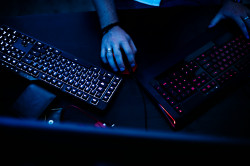
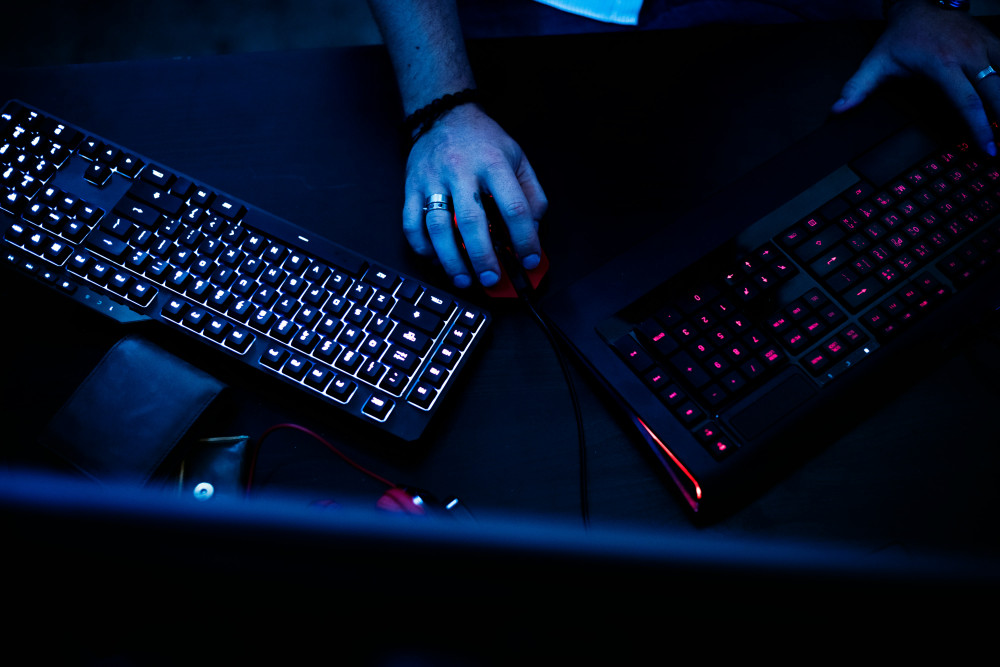
At the same time, accessories became part of personal identity. RGB lighting, modular designs, and customisation software allowed users to create unique setups. Computer accessories were no longer just tools – they became part of the overall experience of using technology.
Today – Intelligent and Integrated Devices
Today’s computer accessories are more advanced than ever. Artificial intelligence, sensors, and cloud integration allow devices to adapt automatically to the user. Keyboards can learn typing habits and adjust responsiveness, while mice can change sensitivity depending on the application in use.
Voice control, touch surfaces, and gesture recognition have expanded the very definition of “accessory.” The boundaries between computer, tablet, and smartphone are blurring – and accessories are keeping pace. Modern keyboards can switch between multiple devices with a single button, and wireless charging systems make the experience even more seamless.
The Future – When Accessories Become Extensions of Ourselves
The future points towards even closer integration between humans and machines. We are already seeing experiments with haptic feedback, gesture-based control, and wearable devices that can interpret movement and intent. Computer accessories will increasingly become natural extensions of the body – not just tools, but part of how we think, create, and communicate.
From the first clicks of a heavy ball mouse to today’s intelligent, adaptive, and wireless devices, the evolution has been extraordinary. Computer accessories are no longer mere add-ons – they are central to the digital experience, where technology, design, and human behaviour meet.
Læs også: