Online Privacy: How to Protect Your Data Without Compromising on Convenience


Online Privacy: How to Protect Your Data Without Compromising on Convenience
In a world where we shop, stream, and sign in online several times a day, keeping control of our personal data can feel overwhelming. Many people associate digital security with hassle – endless passwords, two-factor authentication, and constant cookie pop-ups. But it doesn’t have to be that way. With a few simple habits, you can protect your privacy without giving up the convenience of modern digital life.
Know Your Data – and Where It Goes
The first step towards better online privacy is understanding what data you’re actually sharing. Every time you create an account, use social media, or download an app, you hand over information – often more than you realise.
Check the permissions on your phone’s apps: does a weather app really need access to your photos or contacts? Review your privacy settings on social media platforms too. Most now offer detailed options to control who can see your posts and how your data is used for advertising.
A good rule of thumb is to ask yourself: Is this information necessary for the service to work? If not, don’t share it.
Strong Passwords – Without Losing Track
Passwords remain one of the most important defences against data misuse. But remembering dozens of complex passwords can be difficult. That’s where a password manager can help. It stores your passwords securely and can fill them in automatically when you log in.
Use unique passwords for each service – especially for your email, online banking, and social media accounts. If one account is compromised, the others will remain safe.
Also enable two-factor authentication (2FA), which requires a code sent to your phone or generated by an app. It only takes a few extra seconds but significantly increases your security.
Use Secure Networks – and Think Before You Log In
Public Wi-Fi in cafés, hotels, and airports is convenient, but rarely secure. Avoid logging into sensitive accounts or making payments when connected to an open network. If you often work on the go, consider using a VPN (Virtual Private Network). It encrypts your internet connection, making it much harder for anyone to intercept your data.
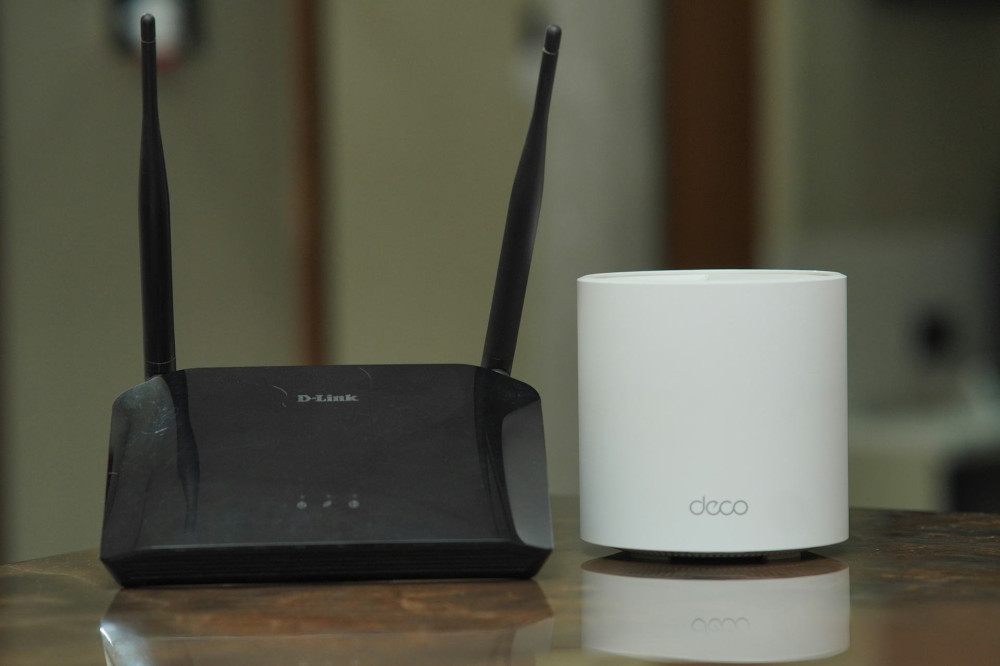
At home, make sure your Wi-Fi is protected with a strong password and that your router’s software is kept up to date. Many people forget that the router is the gateway to their entire home network.
Make Privacy a Habit – Not a Burden
Protecting your data isn’t about living in fear; it’s about building good habits. Start small:
- Keep your devices updated – software updates often fix security vulnerabilities.
- Think before you click – be cautious with unexpected emails and links.
- Use your browser’s privacy settings – most modern browsers offer tracking protection and options to clear cookies automatically.
- Choose privacy-friendly services – some email providers and search engines prioritise user privacy more than others.
Once these habits are in place, maintaining them takes very little effort.
Balancing Convenience and Control
It’s easy to feel like you have to choose between comfort and security. In reality, it’s about finding balance. You don’t need to delete all your accounts or go offline to protect yourself – it’s about making conscious choices.
Use technology to your advantage: automatic backups, password managers, and privacy-focused apps can make it easy to stay both safe and efficient online. When you understand your tools, privacy stops being a limitation and becomes a natural part of your digital routine.
Læs også:




A Digital Life with Peace of Mind
Protecting your online privacy isn’t a one-time task – it’s an ongoing process of taking control of your data. The more you understand, the easier it becomes to navigate the digital world safely, without losing convenience.
With the right habits, you can enjoy the benefits of connected life while knowing your information is in the best possible hands – your own.
Læs også: