Training as an Esports Player: Sharp Reactions, Precise Aim and Strong Teamwork

Training as an Esports Player: Sharp Reactions, Precise Aim and Strong Teamwork
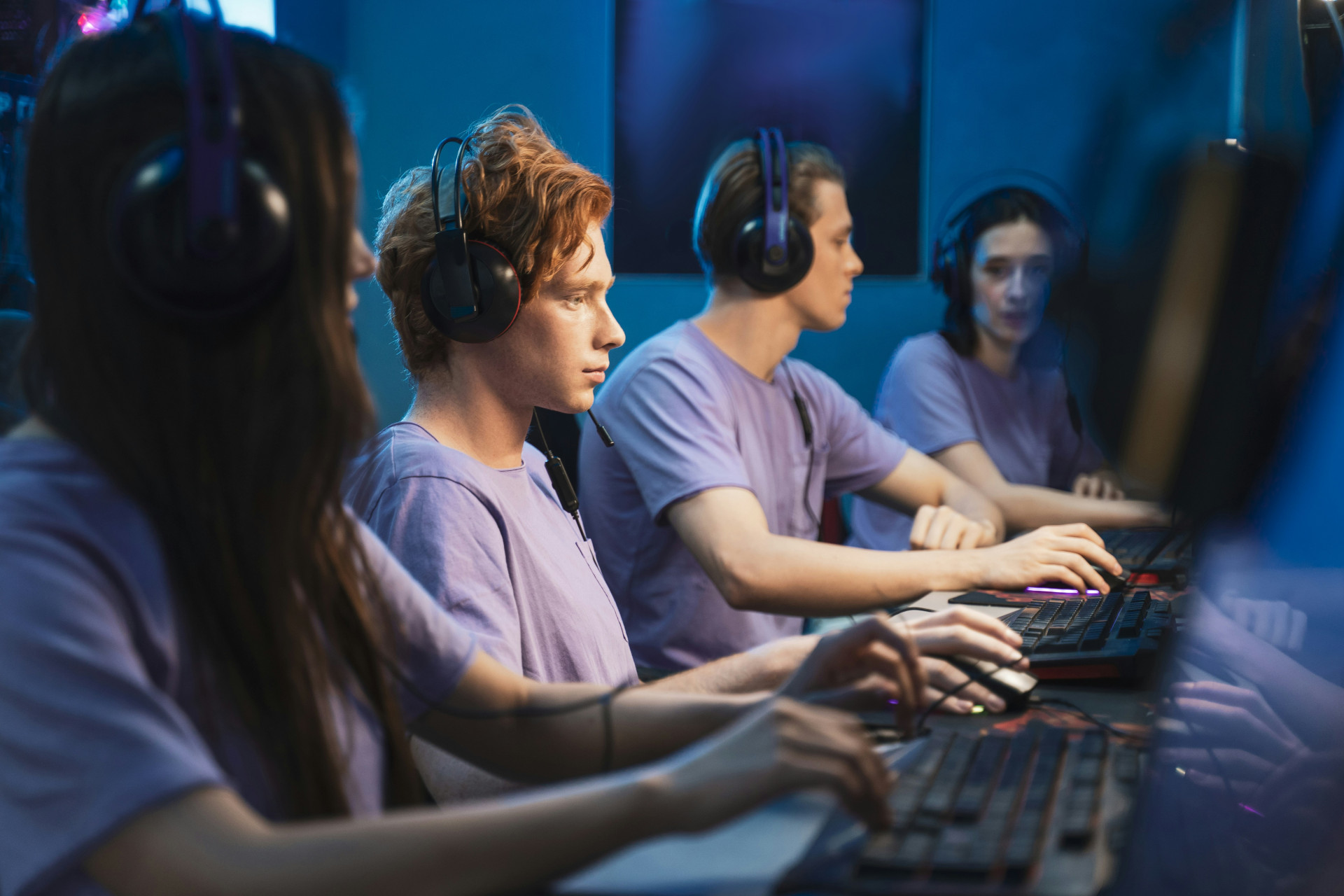
Esports has grown from a niche hobby into a professional discipline comparable to traditional sports. Behind the fast clicks and high-pressure matches lie hours of structured training, analysis and teamwork. To perform at the top level requires not only talent, but also discipline, strategy and an understanding of both the mental and physical sides of competition. Here’s a look at how professional esports players train to stay sharp – individually and as a team.
Reaction Time – Milliseconds Make the Difference
In games like Counter-Strike 2, Valorant or League of Legends, a single reaction within a few milliseconds can decide the outcome of a match. That’s why professional players train their reaction speed with the same dedication as sprinters or goalkeepers.
Their training often includes:
- Aim training in specialised software that measures precision and speed.
- Reflex drills, where players respond to visual cues on screen.
- Short, high-intensity sessions that simulate the pace and pressure of real matches.
Many players also use physical exercises to improve their reaction time. Activities such as table tennis, coordination games or light strength training can enhance focus and reduce fatigue during long tournaments.
Læs også:
Precision and Technique – Equipment and Mindset
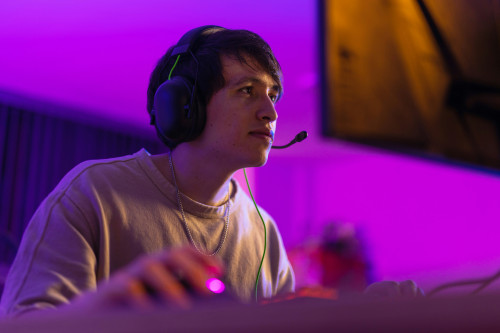
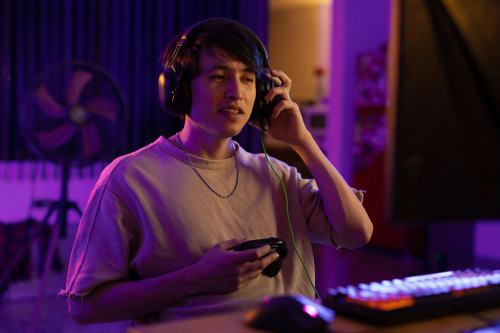
Accuracy isn’t just about speed; it’s about control. Professional esports players spend hours fine-tuning their equipment and movements. Mouse sensitivity, surface texture and hand position all influence performance.
Training often focuses on:
- Muscle memory – repeating movements until they become automatic.
- Consistency – maintaining accuracy under pressure and fatigue.
- Error analysis – reviewing matches to understand where aim or decision-making went wrong.
Many teams have coaches who help players develop a personal playstyle that maximises their strengths. It’s not only about shooting fast, but also about thinking strategically and staying calm under pressure.
Teamwork – Communication as the Key to Success
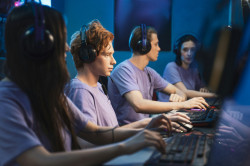
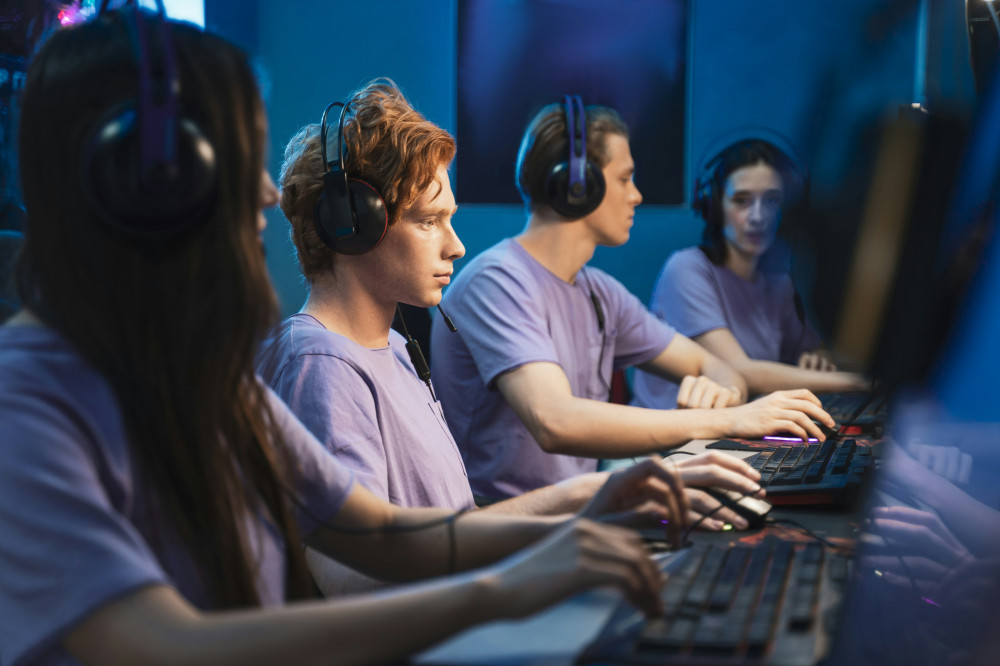
Even the most skilled individual can’t win alone. In esports, teamwork and communication are essential. A team that understands each other’s roles and acts as one unit has a far greater chance of success.
Teams dedicate significant time to:
- Tactical training, refining strategies and roles.
- Communication exercises, ensuring clear and concise calls during matches.
- Teambuilding, both online and in person, to strengthen trust and cohesion.
Many professional organisations also work with sports psychologists to help players manage stress, resolve conflicts and maintain motivation. A healthy team environment is just as important as technical skill.
Physical and Mental Balance
Although esports takes place in front of a screen, physical health is a crucial part of training. Long hours of practice require good posture, regular breaks and exercise to prevent strain and fatigue.
Professional teams often include routines such as:
- Daily exercise – running, yoga or gym sessions.
- Balanced nutrition – to maintain stable energy levels.
- Mental training – meditation, visualisation and focus exercises.
The mental side often separates the best from the rest. Staying calm when everything is on the line takes practice and experience – just like in any other elite sport.
A Structured Professional Routine
A typical day for a professional esports player resembles that of a traditional athlete. The schedule includes training blocks, match analysis, physical activity and recovery. Many teams plan sleep, diet and rest as carefully as practice sessions.
It may sound intense, but structure is essential for consistent performance. Esports is no longer just a pastime – it’s a career where competition, sponsors and fans demand excellence.
The Future of Esports Training
Esports continues to evolve, and so do training methods. New technologies such as eye-tracking, AI analysis and VR simulations are already being used to enhance performance. At the same time, there’s growing emphasis on wellbeing, sleep and balance – because without a healthy mind and body, even the most talented player can’t perform at their best.
Esports is now a global industry, but at its heart it remains about the same things: passion, teamwork and the drive to improve – click by click, match by match.
Læs også: