New to PC gaming? How to get started – from setup to your first game

New to PC gaming? How to get started – from setup to your first game
Getting into PC gaming can feel like stepping into a maze of specs, cables and settings. But once you’ve mastered the basics, a whole world of experiences opens up – from epic adventures to fast-paced online matches with friends. Here’s a step-by-step guide to help you get started with PC gaming – from setting up your computer to playing your very first game.
Choose the right PC for your needs
The first step is to decide what kind of gamer you are – and how much you want to invest. A gaming PC can be anything from a laptop with a dedicated graphics card to a custom-built desktop powerhouse.
- Casual gamer: If you mainly play lighter titles like Minecraft, The Sims or indie games, a mid-range PC with a decent graphics card and 16 GB of RAM will do the job.
- Enthusiast gamer: If you want to play the latest AAA titles in high resolution, go for a desktop with a powerful processor (such as an AMD Ryzen 7 or Intel i7) and a modern graphics card like the NVIDIA RTX or AMD Radeon series.
- Laptop gamer: A gaming laptop is ideal if you need portability. Just keep in mind that they tend to run hotter and may not last as long as desktops.
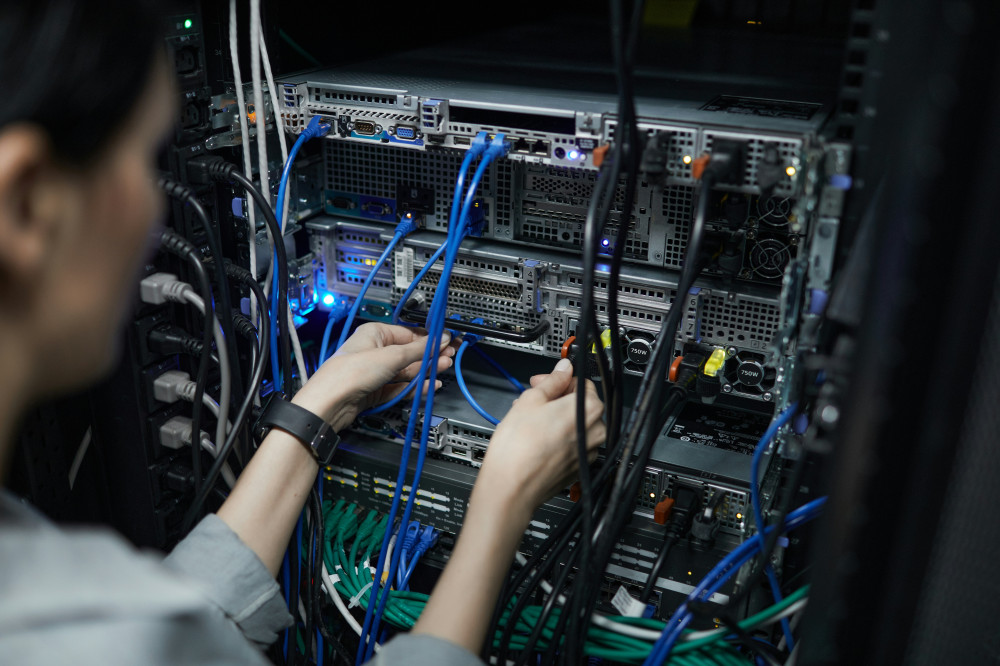
Whatever you choose, make sure your PC has good airflow and a fast SSD drive – it makes a big difference to both performance and loading times.
Installation and setup
Once you’ve got your PC, it’s time to get it ready for gaming. Start by installing your operating system (usually Windows 10 or 11) and updating all your drivers – especially your graphics card driver. The latest drivers ensure your games run smoothly and make the most of your hardware.
Next, install antivirus software and make sure Windows updates are enabled. It’s not the most exciting part, but it’s essential – especially if you’re downloading games and mods from the internet.
Finally, optimise your PC for gaming:
- Disable unnecessary background apps.
- Turn on “Game Mode” in Windows.
- Adjust your monitor’s refresh rate to match its maximum Hz (for example, 144 Hz).
Pick your platform – Steam, Epic, Game Pass and more
Most PC games are bought and installed through digital platforms. The most popular ones include:
- Steam: The largest platform, with thousands of games, user reviews and automatic updates.
- Epic Games Store: Known for giving away free games every week and offering exclusive titles.
- PC Game Pass: A subscription service from Microsoft that gives you access to a large library of games for a monthly fee.
- GOG.com: Great for DRM-free games and classic titles.
Create an account on your chosen platform and install its app. From there, you can buy, download and launch games with just a few clicks.
Gear that enhances your experience
While you can play with a standard keyboard and mouse, the right gear can make a big difference.
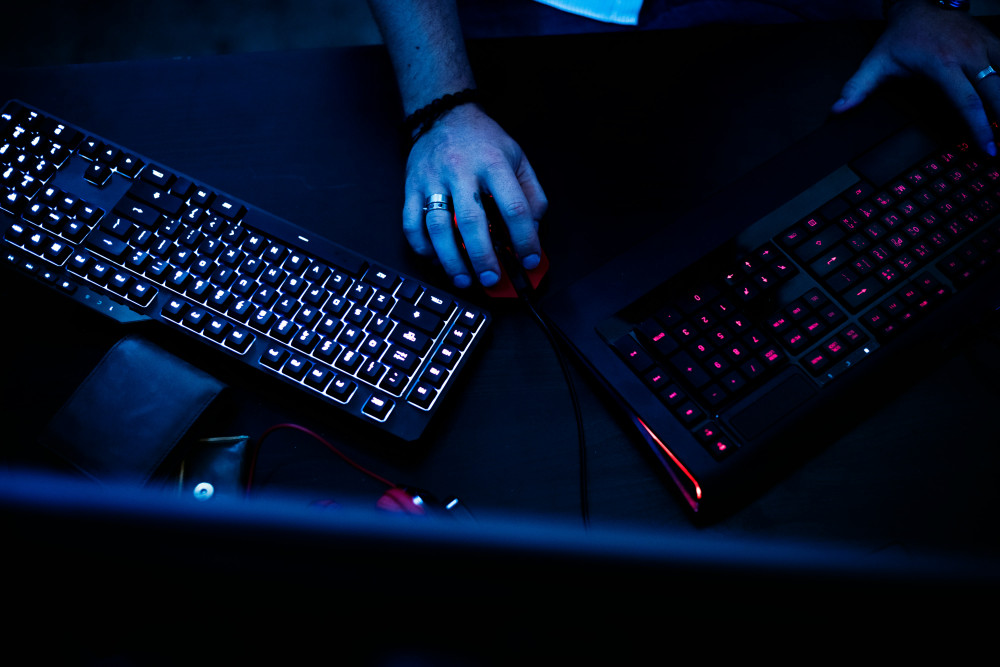
- Gaming mouse and keyboard: Faster response times and better ergonomics. Many models feature programmable buttons and RGB lighting.
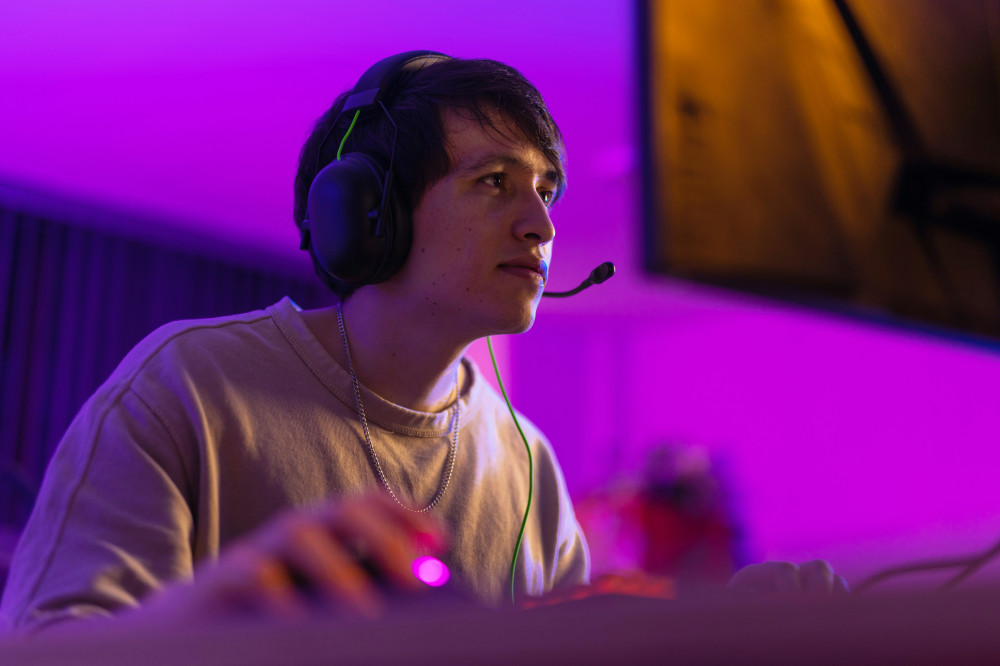
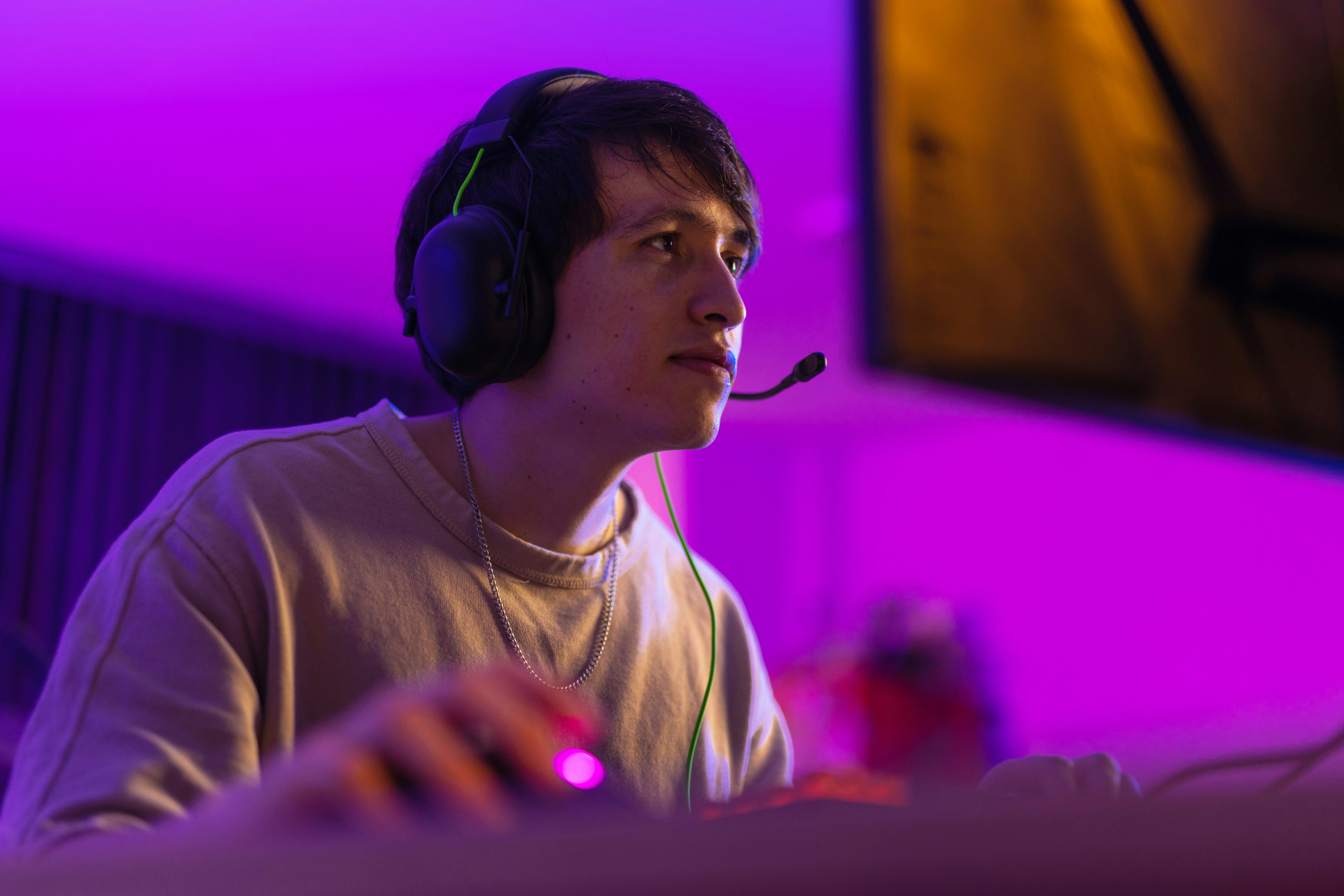
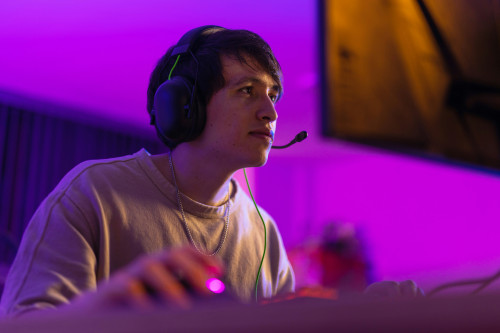
- Headset: A good headset improves sound quality and lets you communicate clearly with teammates.
- Controller: Some games – especially action or sports titles – play best with a controller. Xbox and PlayStation controllers connect easily via USB or Bluetooth.
- Monitor: A high refresh rate (120–165 Hz) and low response time make gameplay smoother, especially in fast-paced games.
Læs også:

Your first game – and how to find it
Now for the fun part: choosing your first game. Start with something that matches your interests and comfort level.
- Story-driven adventures: Try a single-player game with a strong narrative, such as The Witcher 3 or Life is Strange.
- Competitive and co-op games: If you want to play with friends, try Rocket League, Valorant or Fortnite.
- Relaxing experiences: Games like Stardew Valley or Cities: Skylines are perfect for unwinding after a long day.
Read reviews, watch gameplay videos, and try free demos before buying. Many games also include tutorials to help you learn the controls and mechanics.
Keep your PC in top shape
To get the best performance, it’s important to maintain your PC. Clean out dust a few times a year and keep an eye on temperatures while gaming. Free tools like MSI Afterburner can help you monitor performance.
Update your games and drivers regularly, and back up your save files – especially if you play offline. It can save you a lot of frustration if something goes wrong.
Gaming as a community
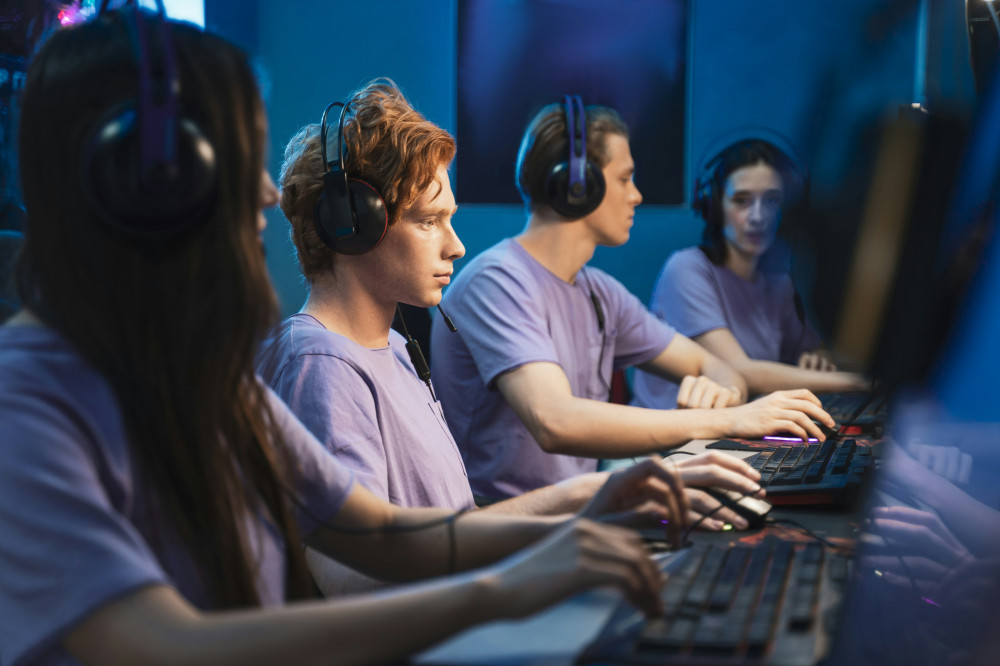
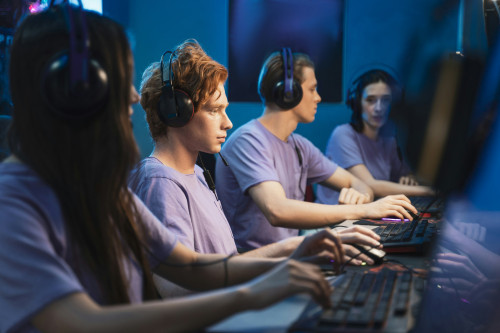
PC gaming isn’t just about hardware – it’s also about community. You can make friends, join online groups, or stream your gameplay on platforms like Twitch or YouTube. Many players find gaming even more enjoyable when they share the experience with others.
Remember to take breaks and pay attention to your posture. Long gaming sessions can be tough on your eyes and back, so invest in a good chair and stretch regularly.
Ready to play
Getting started with PC gaming takes a bit of patience, but the rewards are huge. You’ll gain access to an enormous universe of games, communities and experiences tailored to your interests. With the right setup and a bit of curiosity, you’re ready to take your first steps into the world of gaming – and maybe discover a new lifelong hobby.
Læs også: