The Open-Source Revolution: How the Community Has Transformed Software Development

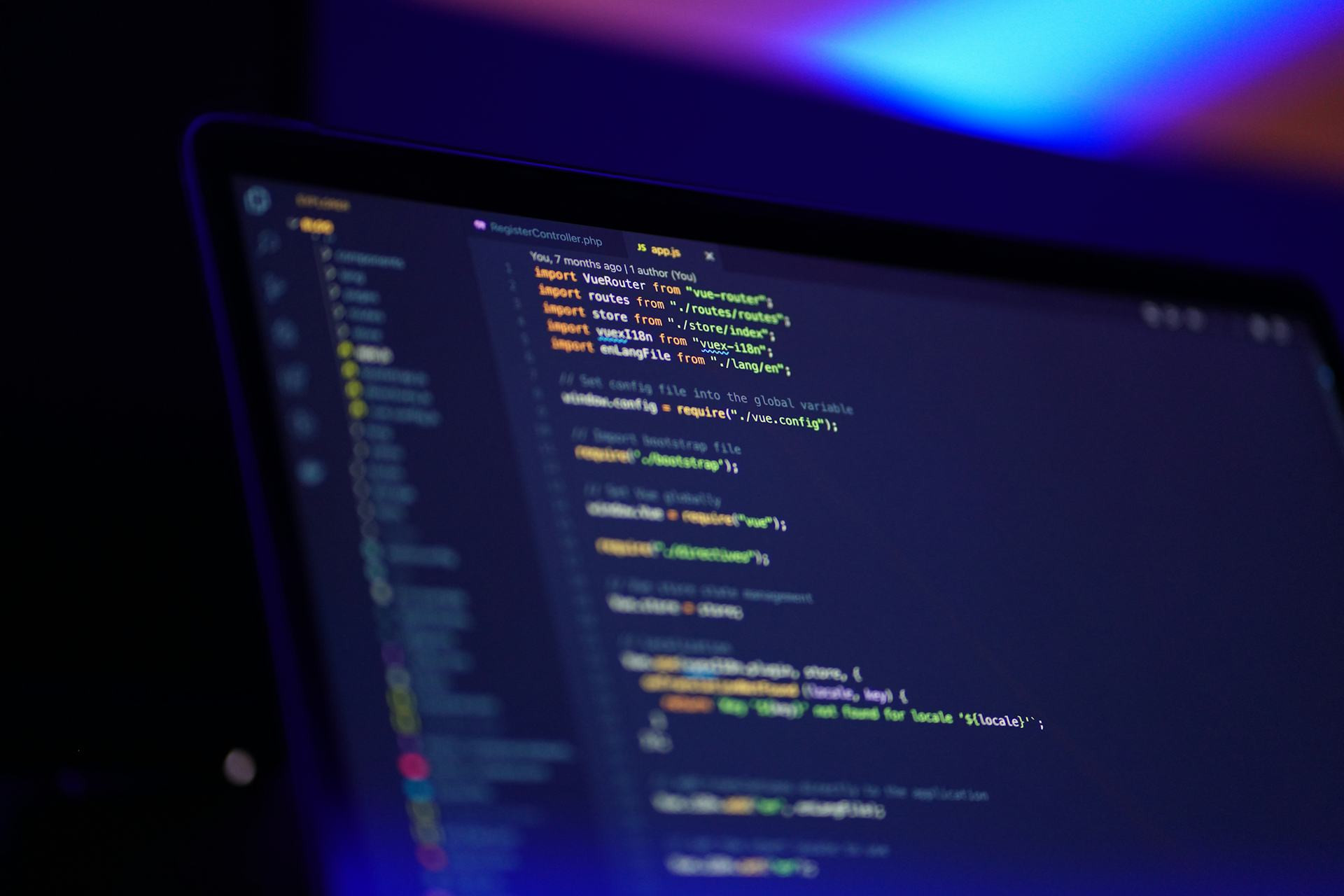
The Open-Source Revolution: How the Community Has Transformed Software Development
A few decades ago, software development was largely a closed affair. Code was written behind corporate walls, and only finished products reached the public. Today, the landscape looks entirely different. The open-source movement has turned the software world upside down, redefining how technology is created, shared, and improved. Collaboration has become the driving force behind innovation – reshaping both the technology itself and the culture surrounding it.
From Hobby Projects to Global Infrastructure
Open source began as an idealistic movement in the 1980s and 1990s, when developers sought the freedom to read, modify, and share code. Early projects such as Linux and Apache proved that volunteer communities could produce software that rivalled – and often surpassed – commercial alternatives.
Today, open source is no longer a niche pursuit. It forms the backbone of the digital world. From smartphones and web servers to artificial intelligence and cloud computing, open-source code powers the systems we rely on every day. Even the largest technology companies – including Google, Microsoft, and Amazon – actively contribute to open-source projects, recognising that community-driven innovation is unstoppable.
The Power of Community: Collaboration Without Borders
One of open source’s greatest strengths is its ability to unite people across borders, cultures, and organisations. Developers, designers, and users collaborate online through platforms such as GitHub and GitLab, where code is shared, discussed, and improved in public view.
This open collaboration creates a unique dynamic. Bugs are spotted quickly, new ideas are tested in real time, and knowledge spreads freely. Innovation no longer depends on the resources of a single company but on the collective curiosity and commitment of thousands of contributors around the world.
Businesses Embrace Open Source
Where open source was once seen as a threat to traditional business models, it is now a strategic asset. Many companies build their products on open-source components and contribute back to the community. This approach gives them access to a global innovation network while reducing development costs.
It has also changed how businesses think about competition. Instead of guarding every line of code as a trade secret, many now collaborate on shared standards and tools – competing instead on the services, experiences, and value they build on top.
Democratising Technology
Open source is not just about code – it’s about access. When software is freely available, anyone can learn from it, build upon it, and create new solutions. This openness has enabled students, startups, and independent developers to participate in technological progress without major financial barriers.
The result is a more diverse and inclusive tech ecosystem, where ideas can emerge from anywhere. It has also given users greater control over the tools they use and fostered a culture built on transparency, trust, and shared responsibility.
The Challenges: Sustainability and Support
Despite its many advantages, the open-source movement faces challenges. Many projects are maintained by volunteers, and ensuring long-term sustainability can be difficult. Some of the world’s most widely used open-source libraries are maintained by only a handful of people, creating potential vulnerabilities.
To address this, organisations and foundations are increasingly providing financial and structural support to open-source developers. For the movement to thrive, both the community and the private sector must share responsibility for its future.
Læs også:


The Future Is Open
Open source has proven that collaboration can be a stronger force than competition. It has transformed how we think about software and how we, as a society, develop technology. In an age where digital systems underpin nearly every aspect of life, openness and community are not just ideals – they are necessities.
The open-source revolution is far from over. It continues to evolve, and its next chapter will be written by everyone who chooses to share their knowledge, ideas, and code with the world.
Læs også: