6 mistakes to avoid in your IT career: advice for success
Gain insight into which traps many IT professionals fall into and how you can avoid them. This e-book offers tips for career development, networking and skill building so you can advance your career in the IT industry.
Open e-book

Invest wisely – not emotionally


Keep your emotions in check to make smarter investment decisions
Money
Money
5 min
Emotional reactions can derail even the best investment plans. Learn how to stay rational, follow your strategy, and build long-term financial stability by investing with discipline rather than impulse.
Dexter Davies
Dexter
Davies

Invest wisely – not emotionally

Keep your emotions in check to make smarter investment decisions
Money
Money
5 min
Emotional reactions can derail even the best investment plans. Learn how to stay rational, follow your strategy, and build long-term financial stability by investing with discipline rather than impulse.
Dexter Davies
Dexter
Davies

When it comes to investing, emotions often get in the way of sound decisions. Fear, greed and overconfidence can lead even experienced investors to act irrationally – and that can be costly. Investing wisely means making decisions based on facts, strategy and patience – not gut feelings. Here’s how you can keep a cool head when the markets move and build a more stable financial future.

The traps of emotion

Most investors know the feeling: share prices fall and panic sets in. Or the market rises and you fear missing out. Both situations can lead to impulsive decisions – selling too early or buying too high.

  • Fear makes us pull out of the market just when it might pay to stay invested.
  • Greed tempts us to take on too much risk in pursuit of quick gains.
  • Overconfidence can make us believe we can predict the market better than we actually can.

Recognising these psychological traps is the first step towards avoiding them. Investing is not just about numbers – it’s also about understanding your own behaviour.

Make a plan – and stick to it

A clear investment strategy is your best defence against emotional decisions. Start by defining your goals: are you investing for retirement, a home deposit, or long-term financial independence? Once your goal is clear, you can choose an appropriate level of risk and time horizon.

Create a plan that outlines:

  • How much you will invest – and how often.
  • What types of assets you will hold (shares, bonds, funds, property, etc.).
  • When you will review your strategy – for example, once a year.

When markets fluctuate, return to your plan instead of reacting to the mood of the moment. It provides structure and peace of mind.

Diversify – spread your risk

One of the most effective ways to protect yourself from emotionally driven losses is diversification. By spreading your investments across different asset classes, sectors and regions, you reduce the impact if one area performs poorly.

A well-diversified portfolio makes it easier to stay calm when some investments fall in value. You know that others may balance things out. This helps you stay committed to your long-term strategy, even when the market is volatile.

Think long term – and don’t check too often

The more frequently you check your investments, the more likely you are to react emotionally. Short-term market movements can seem dramatic, but over time they tend to even out.

Set a fixed schedule for reviewing your portfolio – perhaps quarterly or twice a year. This helps you focus on the bigger picture rather than daily fluctuations. Long-term investing is about patience, not speed.

Use technology wisely

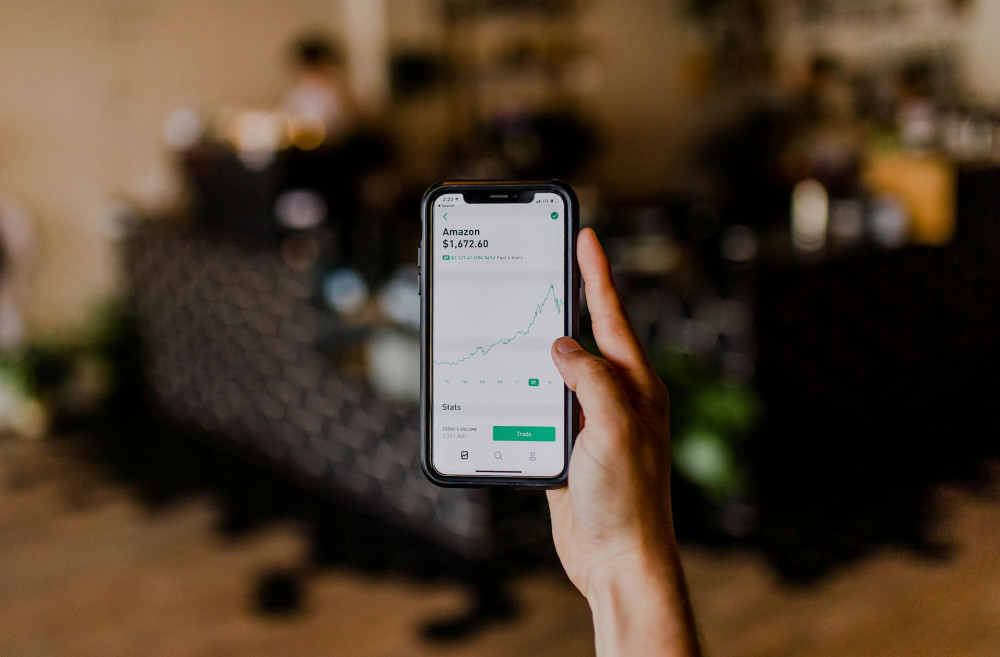
Online platforms and investment apps have made trading easier than ever – perhaps too easy. A few taps on your phone and you’ve bought or sold shares. That convenience can be dangerous if it encourages impulsive behaviour.

Consider using automated solutions such as robo-advisers or regular investment plans that invest a set amount each month. This removes the emotional element and ensures you invest consistently, regardless of market sentiment.

Learn from mistakes – and adjust calmly

Even the most experienced investors make mistakes. What matters is how you respond. Instead of letting disappointment or pride take over, treat mistakes as lessons. Review what went wrong and how you can improve your approach.

Investing wisely doesn’t mean avoiding risk altogether – it means taking risk consciously and understanding the potential outcomes.

Patience pays off

Investing is a journey, not a race. By keeping your emotions in check, following a plan and thinking long term, you increase your chances of achieving steady results. The market will always move up and down, but your reactions don’t have to.

When you invest wisely, you’re not just building wealth – you’re building financial peace of mind.

Blockchain and Sustainability: The Role of Technology in Future Economic Models
How blockchain innovation could drive transparency and sustainability in tomorrow’s economy
Money
Money
Blockchain
Sustainability
Green Technology
Future Economy
Innovation
2 min
As global industries search for greener and more equitable economic models, blockchain technology is stepping into the spotlight. Beyond cryptocurrencies, it offers new ways to ensure transparency, traceability, and efficiency—from energy systems to supply chains—reshaping how we think about sustainable growth.
Eli Wright
Eli
Wright
Make the Most of Your Money with Simple Data Analysis
Take control of your finances with easy, data-driven insights
Money
Money
Personal Finance
Data Analysis
Budgeting
Money Management
Financial Planning
4 min
Discover how simple data analysis can help you understand your spending habits, identify patterns, and make smarter financial decisions. You don’t need advanced tools or expertise—just a few practical steps to make your money work harder for you.
Amelia Long
Amelia
Long
Finances with a Variable Income: How to Plan for a More Stable Budget
Take control of your finances even when your income changes from month to month
Money
Money
Personal Finance
Budgeting
Freelancers
Money Management
Financial Planning
2 min
Learn how to manage your money effectively when your earnings fluctuate. This guide offers practical strategies for freelancers, contractors, and anyone with an irregular income to build a stable budget, prepare for slow periods, and achieve long-term financial confidence.
Landon Wilson
Landon
Wilson
AI as a Financial Assistant: Take Control of Your Spending and Understand Your Financial Trends
Discover how AI can help you manage your money smarter and gain insight into your financial habits
Money
Money
Personal Finance
Artificial Intelligence
Budgeting
Financial Planning
Money Management
2 min
Learn how artificial intelligence is transforming personal finance by tracking spending, identifying trends, and offering tailored advice. With the right digital assistant, you can take control of your budget, plan ahead, and make more informed financial decisions.
Olivia Carter
Olivia
Carter
Invest wisely – not emotionally
Keep your emotions in check to make smarter investment decisions
Money
Money
Investing
Personal Finance
Financial Planning
Investment Strategy
Money Management
5 min
Emotional reactions can derail even the best investment plans. Learn how to stay rational, follow your strategy, and build long-term financial stability by investing with discipline rather than impulse.
Dexter Davies
Dexter
Davies
Use Data to Understand Yourself: Measure, Learn and Improve Your Habits with Insight
Discover how personal data can help you build better habits and make meaningful changes in your daily life
Tech
Tech
Self-Improvement
Data Insights
Personal Development
Habits
Well-Being
3 min
Learn how to turn the information you already generate into valuable insights about your routines, goals, and well-being. This article shows how to use data as a simple, empowering tool for self-understanding and personal growth.
Eli Wright
Eli
Wright
Online Privacy: How to Protect Your Data Without Compromising on Convenience
Keep your personal information safe while enjoying the ease of digital life
Tech
Tech
Online Privacy
Cybersecurity
Digital Safety
Data Protection
Internet Tips
5 min
Learn how to protect your online privacy without sacrificing convenience. This article offers practical tips for managing your data, creating strong passwords, and building secure habits that fit seamlessly into your everyday routine.
Amelia Long
Amelia
Long
Cybersecurity Requires Collaboration – When Public and Private Sectors Strengthen Their Efforts Together
Stronger digital defences emerge when governments and businesses unite against cyber threats
Tech
Tech
Cybersecurity
Public-Private Partnership
Digital Infrastructure
Data Protection
Cyber Awareness
7 min
As cyberattacks grow more sophisticated, collaboration between the public and private sectors becomes essential to protect national infrastructure, business continuity, and public trust. This article explores how joint initiatives, shared knowledge, and education can build a safer digital future.
Landon Wilson
Landon
Wilson