6 mistakes to avoid in your IT career: advice for success
Gain insight into which traps many IT professionals fall into and how you can avoid them. This e-book offers tips for career development, networking and skill building so you can advance your career in the IT industry.
Open e-book

Error-Free Code Cleanup: How to Make Old Code More Readable and Robust

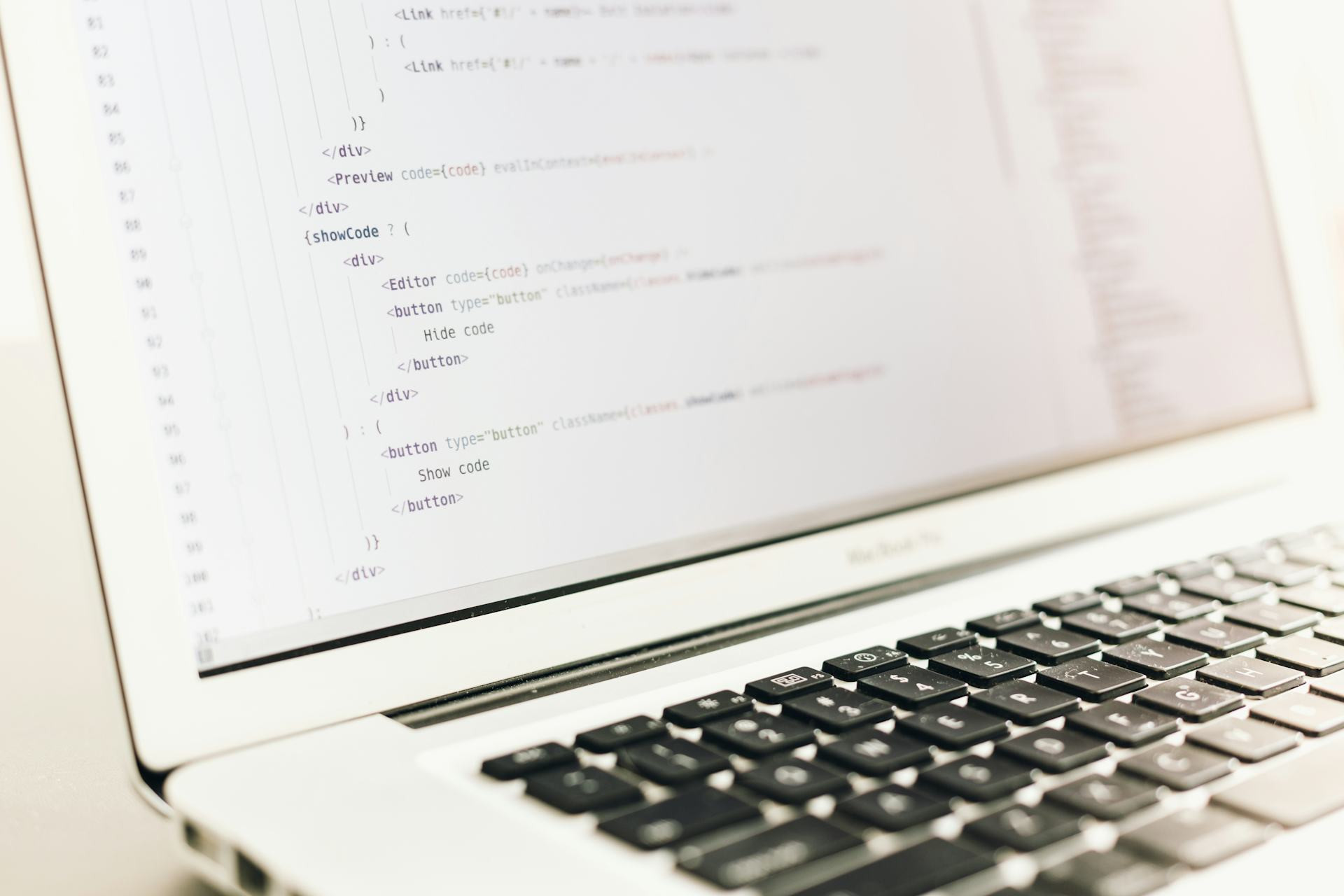
Turn messy legacy code into clean, reliable, and maintainable software
Development
Development
5 min
Learn how to refactor old code safely and effectively. This guide walks you through practical steps to improve readability, strengthen structure, and reduce bugs—without breaking what already works.
Olivia Carter
Olivia
Carter

Error-Free Code Cleanup: How to Make Old Code More Readable and Robust

Turn messy legacy code into clean, reliable, and maintainable software
Development
Development
5 min
Learn how to refactor old code safely and effectively. This guide walks you through practical steps to improve readability, strengthen structure, and reduce bugs—without breaking what already works.
Olivia Carter
Olivia
Carter

Every developer knows the feeling: that old piece of code that “just works” but no one dares to touch. Maybe it was written years ago by a colleague who’s long since moved on, or perhaps by you during a hectic sprint. The code runs fine – but it’s hard to read, harder to modify, and nearly impossible to test. Code cleanup, or refactoring, is about improving the structure of code without changing what it does. It takes patience, discipline, and a healthy respect for the existing work. Here’s a guide to cleaning up old code without introducing new bugs.

Start by Understanding – Not Changing

It’s tempting to dive straight in and start rewriting, but the first step is always to understand what the code actually does. Read through it carefully, trace the data flow, and build a mental model of the logic. Tools like call graphs, debuggers, or even simple print statements can help you see how functions interact.

Take notes as you go: What does this function do? Why does this variable exist? What assumptions does the code rely on? These notes not only help you understand the code but also serve as lightweight documentation for others later on.

Set Up a Safety Net: Test Before You Touch

Before changing a single line, make sure you can detect if something breaks. That means tests. If automated tests already exist, run them and check their coverage. If not, write a few simple tests that confirm the current behaviour of the code.

Even a small test suite can make a big difference. Tests act as a safety net, catching mistakes as you refactor. They give you confidence to make small, safe improvements without fear of breaking something critical.

Clean Up in Small Steps

Refactoring should be gradual. Instead of rewriting entire modules at once, focus on small, contained areas. It might be a single function, a naming pattern, or a repeated block of code.

After each change, run your tests. If everything still works, move on. If something fails, you’ll know exactly where to look. This iterative approach keeps the process controlled and reduces the risk of introducing new errors.

Make the Code More Readable

Readability is the foundation of robust code. As you clean up, ask yourself: could a new developer understand this without explanation? If not, consider:

  • Using meaningful names – avoid abbreviations and inside jokes. A good name should describe what something does.
  • Breaking up long functions – each function should have one clear responsibility. If it’s doing too much, split it up.
  • Removing duplicated code – repetition increases the chance of inconsistency. Consolidate shared logic in one place.
  • Adding concise comments – not to explain what the code does, but why it does it.

Small improvements in naming and structure can make a huge difference for both you and your teammates.

Use Tools and Follow Standards

Modern development environments offer plenty of tools to help you find and fix issues automatically. Linters, formatters, and static analysis tools can highlight unused variables, inconsistent styles, and potential bugs.

It’s also worth adopting a shared coding standard within your team. Consistent style makes code easier to read and maintain, no matter who wrote it. Many teams use automated formatting rules to avoid endless debates about indentation or commas.

Document as You Go

As you refactor, document the decisions you make. Why was a function changed? Which assumptions were removed? Which parts of the code are still fragile? A short note in the commit message or a brief comment in the code can save hours of confusion later.

Good documentation isn’t about writing long manuals – it’s about making your reasoning clear and accessible to others.

Know When to Stop

Code cleanup can easily become an endless task. There’s always something that could be a little neater or a little smarter. But the goal isn’t perfection – it’s improvement. When the code is more readable, easier to test, and free from the worst pitfalls, you’ve achieved success.

The key is to make the code more robust and future-proof – without introducing new errors along the way.

An Investment That Pays Off

Cleaning up old code might feel like a chore, but it’s an investment in the future. Every small improvement saves time and frustration down the line. You make it easier for yourself and your colleagues to build on the code – and you reduce the risk of small issues turning into major problems.

In the end, code cleanup is about respect: for the work that’s been done, for your fellow developers, and for the product you’re helping to create.

When Design Patterns Go Too Far – How to Find Balance in Your Code
When best practices become burdens—how to keep your code practical and purposeful
Development
Development
Software Development
Design Patterns
Clean Code
Programming Best Practices
Software Architecture
4 min
Design patterns can make your code cleaner and more maintainable, but when applied without context, they can also create unnecessary complexity. Learn how to recognize when patterns help—and when they hold you back—so your code stays focused on solving real problems.
Eli Wright
Eli
Wright
Modularity in Practice: How to Make Software Easier to Adapt and Extend
Build software that stays flexible as it grows
Development
Development
Software Architecture
Modularity
Software Design
Scalability
Best Practices
3 min
Discover how modular design can make your software easier to maintain, extend, and adapt to new requirements. Learn practical strategies for structuring systems into independent, reusable components that support long-term agility and innovation.
Amelia Long
Amelia
Long
Computational Thinking: A New Way to Understand and Critically Engage with the Role of Technology
Discover how computational thinking transforms the way we understand, create, and question technology
Development
Development
Computational Thinking
Digital Literacy
Education
Technology
Critical Thinking
7 min
As technology becomes ever more integrated into our daily lives, computational thinking offers a powerful framework for understanding and shaping the digital world. This article explores how developing this mindset can help us move from passive users to active creators and critical thinkers in a technology-driven society.
Landon Wilson
Landon
Wilson
Error-Free Code Cleanup: How to Make Old Code More Readable and Robust
Turn messy legacy code into clean, reliable, and maintainable software
Development
Development
Code Refactoring
Software Development
Clean Code
Programming Best Practices
Developer Productivity
5 min
Learn how to refactor old code safely and effectively. This guide walks you through practical steps to improve readability, strengthen structure, and reduce bugs—without breaking what already works.
Olivia Carter
Olivia
Carter
Firewalls and Access Control: Fundamental Building Blocks of Network Security
Strengthen your digital defences with the core principles of network protection
Development
Development
Network Security
Firewalls
Access Control
Cybersecurity
Data Protection
3 min
Discover how firewalls and access control work together to safeguard networks from cyber threats. Learn the fundamentals behind these essential security measures and how they help prevent unauthorised access, data breaches, and other digital risks.
Dexter Davies
Dexter
Davies
Use Data to Understand Yourself: Measure, Learn and Improve Your Habits with Insight
Discover how personal data can help you build better habits and make meaningful changes in your daily life
Tech
Tech
Self-Improvement
Data Insights
Personal Development
Habits
Well-Being
3 min
Learn how to turn the information you already generate into valuable insights about your routines, goals, and well-being. This article shows how to use data as a simple, empowering tool for self-understanding and personal growth.
Eli Wright
Eli
Wright
Online Privacy: How to Protect Your Data Without Compromising on Convenience
Keep your personal information safe while enjoying the ease of digital life
Tech
Tech
Online Privacy
Cybersecurity
Digital Safety
Data Protection
Internet Tips
5 min
Learn how to protect your online privacy without sacrificing convenience. This article offers practical tips for managing your data, creating strong passwords, and building secure habits that fit seamlessly into your everyday routine.
Amelia Long
Amelia
Long
Cybersecurity Requires Collaboration – When Public and Private Sectors Strengthen Their Efforts Together
Stronger digital defences emerge when governments and businesses unite against cyber threats
Tech
Tech
Cybersecurity
Public-Private Partnership
Digital Infrastructure
Data Protection
Cyber Awareness
7 min
As cyberattacks grow more sophisticated, collaboration between the public and private sectors becomes essential to protect national infrastructure, business continuity, and public trust. This article explores how joint initiatives, shared knowledge, and education can build a safer digital future.
Landon Wilson
Landon
Wilson