Projectors vs. TVs: Which is the true king of visual experiences?
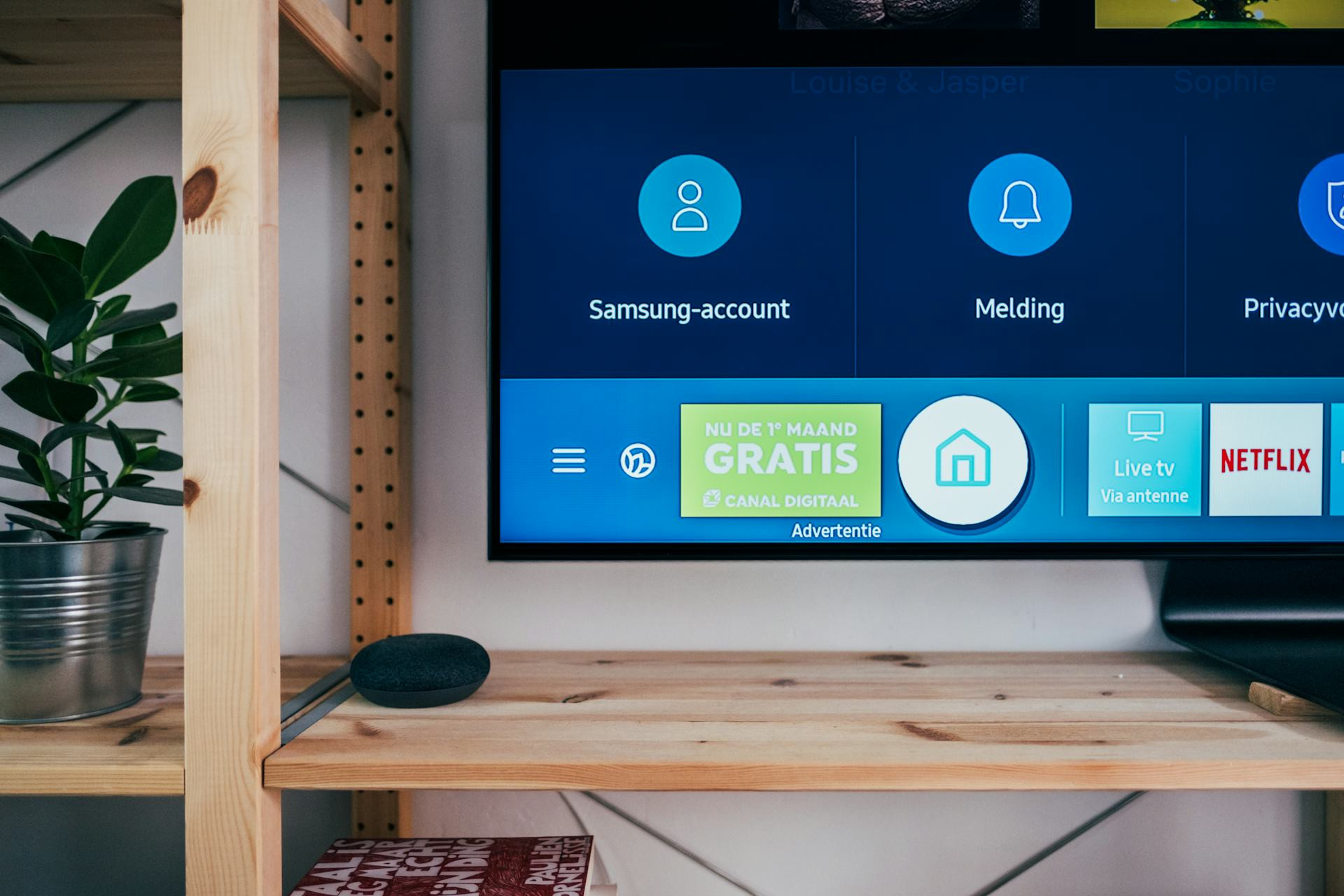
Projectors vs. TVs: Which is the true king of visual experiences?
The debate between projectors and TVs has been ongoing among enthusiasts, tech lovers, and casual viewers alike. Each has its unique advantages and limitations, making the choice heavily dependent on individual preferences and viewing habits. In this article, we’ll explore the different attributes of projectors and TVs to help you decide which option reigns supreme for your visual experiences.
Understanding the Basics
At their core, projectors and TVs serve the same purpose: delivering visual content to viewers. However, the technology behind each device is different. TVs use a flat panel screen to display images, while projectors cast images onto a surface, typically a screen or wall.
TVs are known for their high-quality displays, providing bright and vivid images that can be appreciated in a variety of lighting conditions. On the other hand, projectors offer the potential for larger images, which can create an immersive viewing experience if you have the right setup.
Image Quality Comparison
When it comes to image quality, TVs often take the lead. Modern LED, OLED, and QLED TVs provide stunning color accuracy, contrast, and sharpness. They handle HDR (High Dynamic Range) content exceptionally well, delivering deep blacks and bright highlights.
Projectors have come a long way and now offer impressive image quality as well, particularly in dedicated home theater setups. However, many lower-end models may struggle in brightly lit rooms. Also, the overall quality of a projector’s image can be more variable, depending on the model and the screen you’re using.
Size and Scaling
One of the main advantages of projectors is their ability to scale images to a much larger size. A quality projector can display images upwards of 100 inches or more, creating a cinematic experience right in your living room.
TVs, while available in large sizes, often come with a price premium as screen sizes increase. If you want a truly massive screen for watching movies or sports, a projector can provide that experience at a lower cost compared to an equivalently sized TV.
Portability and Space Considerations
For those with limited space or who wish to set up a temporary viewing space, projectors offer a distinct advantage. They are typically lightweight and can be easily moved from room to room or even taken outdoors for a movie night under the stars.
TVs, particularly larger models, can be cumbersome and often require dedicated furniture or wall space. While there are portable TVs available, they may not offer the same viewing experience or size that a projector can provide.
Sound and Audio Options
Sound quality is another factor to consider when comparing projectors and TVs. Most modern TVs come equipped with built-in speakers that can deliver decent audio, while higher-end models may support Dolby Atmos for an enhanced experience.
Projectors generally lack built-in sound systems that match the quality of typical TVs. This means that most projector users need to invest in external speakers or a surround sound system, which can increase overall costs. However, many audiophiles appreciate the flexibility and superior sound quality that a good audio setup can provide.
Setup and Installation
Setting up a TV is usually straightforward. Simply plug in the power, connect it to your devices, and youre ready to go. Many modern TVs also have smart capabilities, allowing you to stream content directly without any additional setup.
Projectors can require more effort. Youll need to consider the distance from the screen, mounting options, and possibly the need for a dark room to fully appreciate the image quality. Some people may also need to invest in screens or special paint to achieve the best results.
Cost Considerations
Price can be a significant factor when choosing between projectors and TVs. Generally, there is a broader price range for projectors. You can find budget models that perform reasonably well, as well as high-end options that rival TVs in quality and features.
However, when you factor in the extras like screens and sound systems, the total cost of a projector setup can escalate quickly. Conversely, while premium TVs may come with a hefty price tag, they often include built-in features that eliminate the need for additional purchases.
Final Thoughts on Personal Preference
Ultimately, the choice between a projector and a TV comes down to personal preference and the intended usage. If you value immersive, large-screen experiences and have the space to accommodate it, a projector might be the way to go. On the other hand, if you desire convenience, superior image quality, and built-in audio, a TV could be the better option.
With both options having their unique strengths and weaknesses, it’s essential to consider factors like space, budget, and viewing habits to determine which truly is the king of visual experiences in your home.